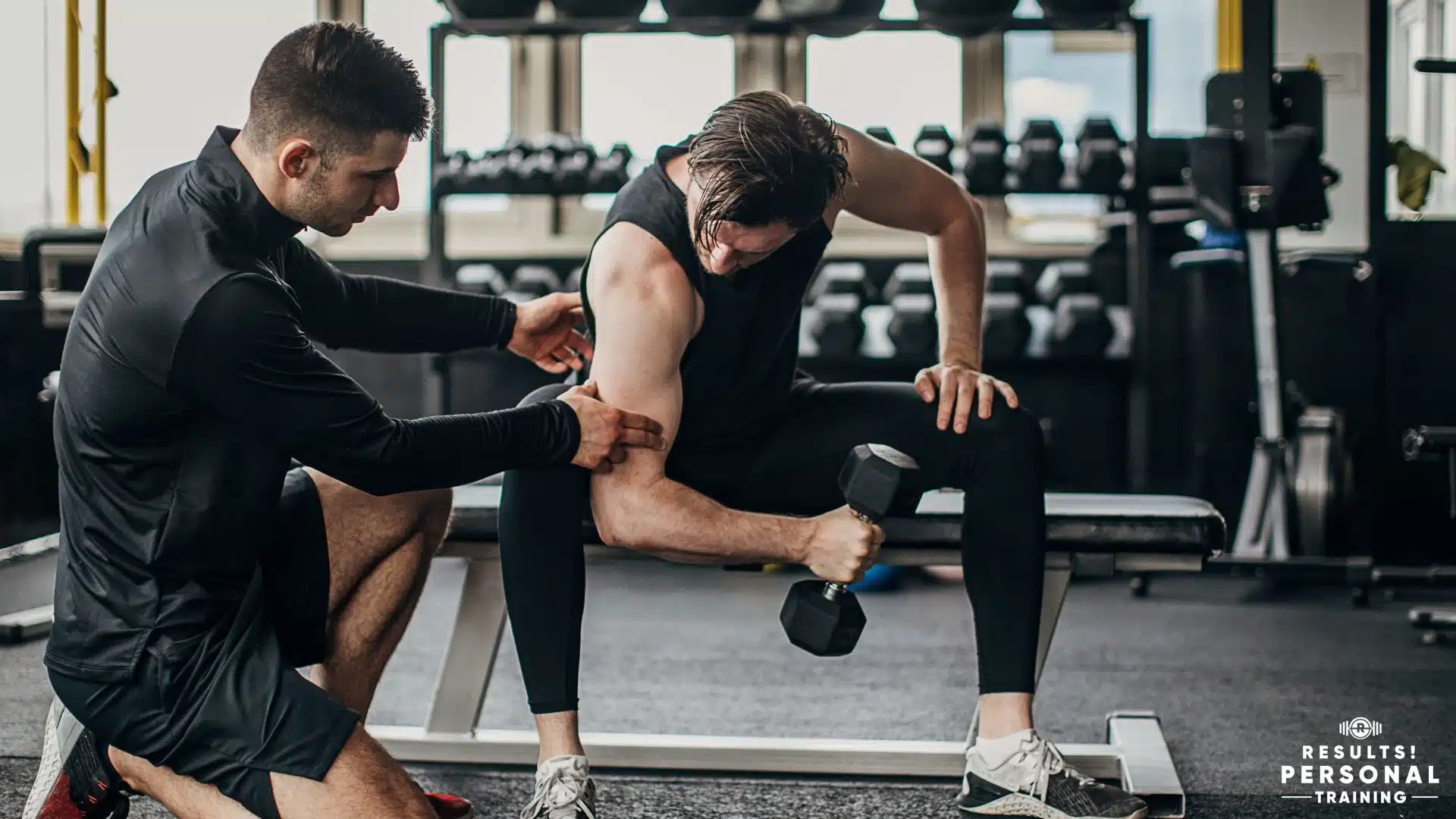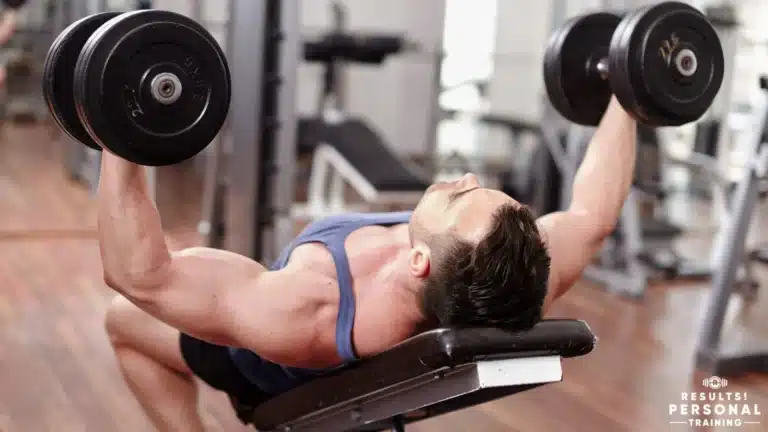
If you are doing chest press in your workouts but aren’t seeing much progress, you’re definitely not the only one. It’s one of those exercises that looks simple from the outside, yet small mistakes in technique or posture can hold you back. In many cases, these little errors lead to slow chest development or, over time, to nagging shoulder discomfort. These errors often go unnoticed, especially when training alone, leading to plateaus or discomfort over time. That’s where personal training becomes a real game-changer. A skilled trainer can assess your movement patterns, correct your alignment, and guide you with precise technique cues to help you press safely, effectively, and with confidence. To understand this better, let’s first break down the most common mistakes and how expert coaching helps you correct them in this blog.
Overview: Fixing Chest Press Mistakes with Personal TrainingThe chest press is often performed incorrectly, leading to reduced chest activation, inefficient workouts, and potential shoulder or back injuries. Common mistakes include flaring elbows, poor wrist positioning, using momentum, and lifting too heavy too soon. Personal training helps correct these errors through posture assessment, technique guidance, targeted strengthening, and real-time feedback, ensuring safer and more effective chest press performance. |
Common Chest Press Mistakes Most People Make

Here are the most common chest press mistakes most people make:
Flaring the Elbows Out Too Much
When doing chest press, many of you push with the elbows at a wide angle, shifting the tension to the shoulders rather than the chest and destabilising the press, which can cause shoulder strain.
Overarching or Rounding the Lower Back
If your lower back arches too much or rounds during the press, you lose proper spinal support. This not only weakens your pressing power but also adds unnecessary pressure on your lower back.
Using the Wrong Grip Width
Gripping the bar too wide or too narrow can throw off your pressing technique. The wrong grip reduces your strength, feels uncomfortable, and changes which muscles are actually working.
Using Momentum or Bouncing the Weight
Rushing your reps or bouncing the bar off your chest may feel easier, but it cheats your muscles. You need controlled reps to build real strength and reduce the risk of injury.
Poor Wrist Position
Whenever your wrists are bent backward or wobble, the joint strains and reduces power transfer, making the weight feel heavier than it actually is.
Letting the Shoulders Roll Forward
If your shoulders tilt forward during the press, your chest stops doing the work, and your rotator cuff takes the hit. This can lead to shoulder pain and make the lift unsafe.
Lifting Too Heavy Too Soon
Never lift a weight that’s too heavy before you’re ready, as it breaks your form. This is one of the most common chest press mistakes people make. So, always start with a weight you can control and progress gradually for better strength and longevity.
How These Mistakes Affect Your Results And Safety

These mistakes affect your results and safety by making the chest press less effective and putting extra strain on other parts of the body. Over time, this added stress can lead to issues like shoulder impingement, lower-back strain, and overall reduced chest activation, slowing your progress and increasing your injury risk. Therefore, you need to use the correct form, control the load, and work with a skilled personal trainer to ensure your chest press is both effective and safe. A personal trainer is a certified expert who guides your technique, tailors your workouts, and helps you train safely for better results.
How Personal Training Helps You Fix Chest Press Mistakes
Let’s read how they do it:
Assessing Your Current Form and Mobility
Whenever personal training is given, before correcting anything, the trainer will study your movement patterns, shoulder mobility, posture, grip habits, and bar path to identify exactly what’s going wrong.
Fixing Your Setup and Body Positioning
Then they will adjust your bench height, foot placement, shoulder position, grip width, and wrist alignment so your starting posture is stable, safe, and aligned for maximum chest activation.
Teaching You Proper Bracing and Breathing
You will be guided through correct breathing and core bracing techniques, ensuring your spine stays supported and your press stays controlled throughout the set. This is one of the key benefits of personal training in gyms, where trainers teach these fundamentals before increasing load.
Technique Correction With Real-Time Feedback
Now, once you’re set up correctly, your personal gym instructor refines every part of the movement, elbow angle, shoulder retraction, wrist stacking, bar path, and tempo, and corrects mistakes instantly before they become habits.
Introducing Personalised Cues for Precision
They will also make custom short, effective cues like “pull your shoulders down,” “keep the bar over your wrists,” or “drive through the mid-palm” to help you understand and replicate perfect form consistently.
Selecting the Right Variation for Your Goal
During the personal training, based on your needs, strength, hypertrophy, rehab, or stability, the trainer chooses the right chest press variation for you. It can be dumbbells, barbells, incline, machine, neutral grip, or tempo-based reps.
Monitoring Fatigue and Preventing Form Collapse
This is the most important step a PT in Singapore takes. As reps get harder, the trainer ensures your technique stays clean, reducing injury risk and ensuring every rep remains effective.
Conclusion
Mastering the chest press requires all mistakes to be corrected as soon as possible, as it can silently hinder your strength and muscle growth. With a personal trainer’s expertise, you gain structured guidance, your form aligns with purpose, every rep counts, and the results become not just better but transformative! Now, if you think you can’t do the chest press correctly and need a professional, then Results! Personal Training is your next stop. We provide 1-on-1 personalised training sessions designed to match your goals, schedule, and fitness level, all led by certified trainers. Level up your workouts with us!
FAQs
Should I touch my chest with the bar or dumbbells?
Lower the weight with control until it lightly touches your chest; never bounce. Dumbbells should be at chest level.
What if I have an existing shoulder or elbow injury?
Use modified movements like dumbbells for a smoother range of motion. A trainer adjusts technique to reduce joint stress safely.
How does a personal trainer ensure I have the right body setup?
A trainer aligns your shoulder blades, chest, back arch, grip, and foot placement for maximum stability, tension, and safe pressing mechanics.
Why is warming up important for the chest press?
Warming up increases blood flow, activates supporting muscles, and reduces injury risk, helping you press safely with stronger, more controlled reps.
What is the correct grip width for the chest press?
Use a grip slightly wider than shoulder-width. Keep elbows at a 45–60° angle for balanced chest activation and joint safety.