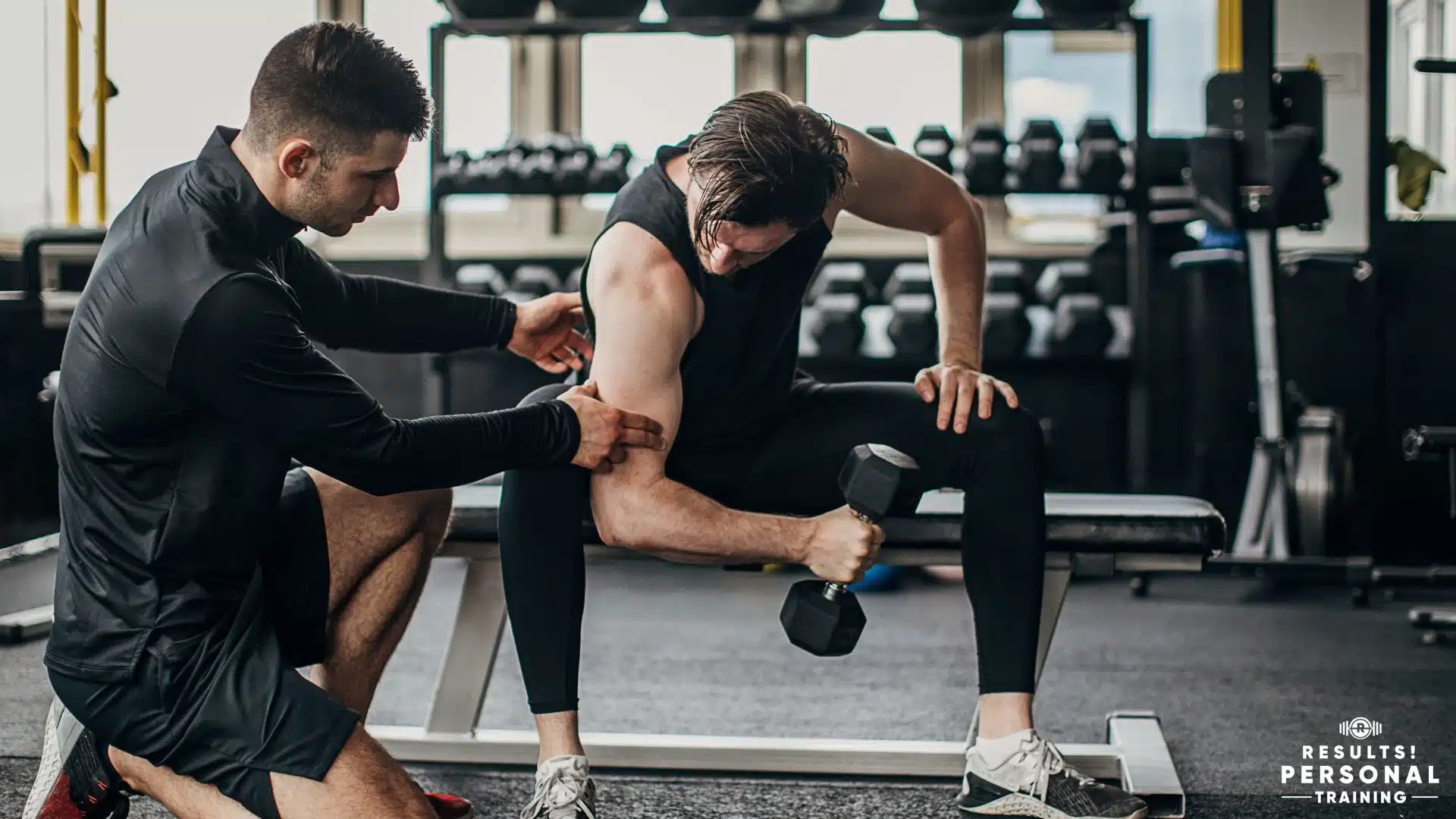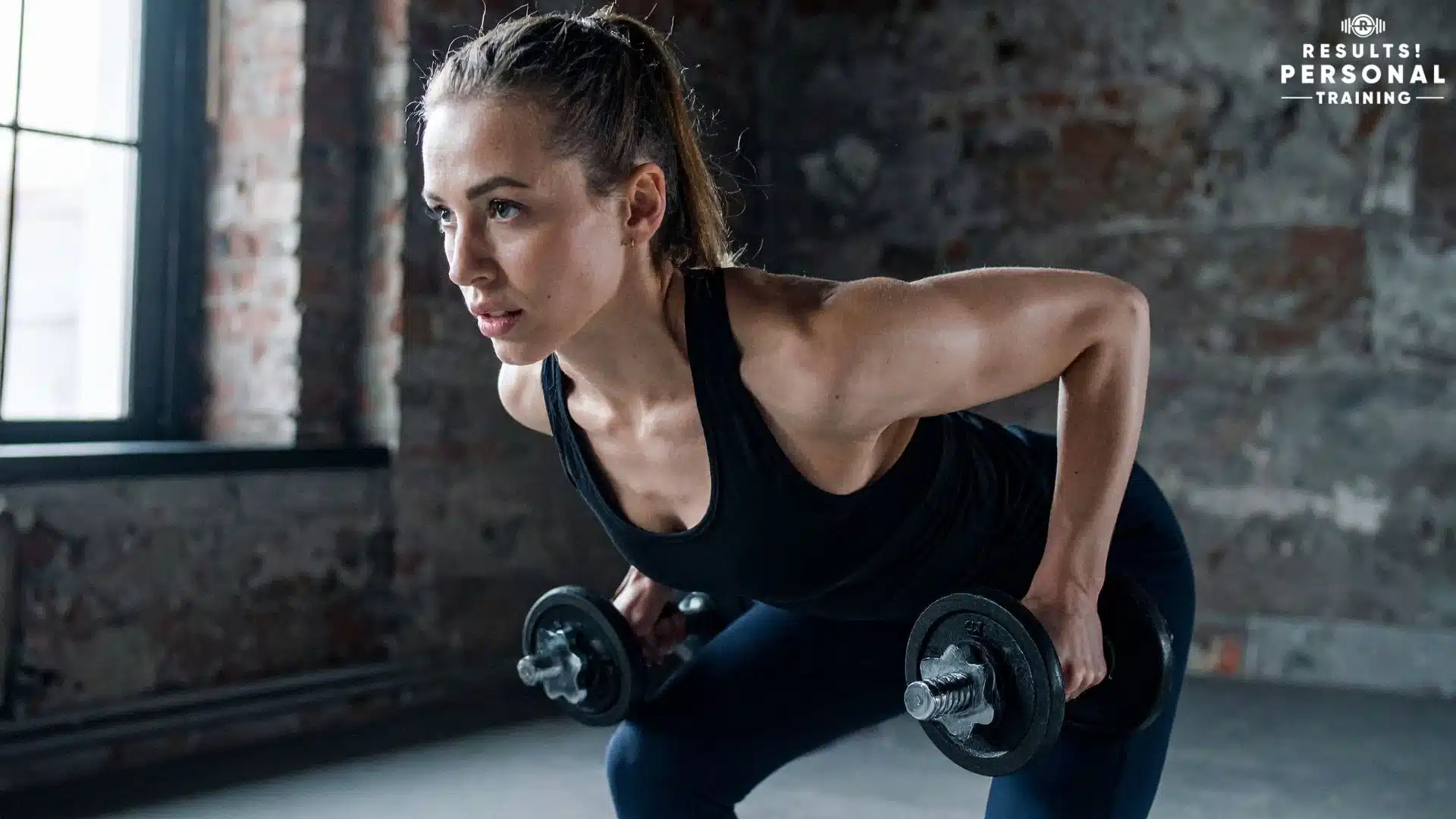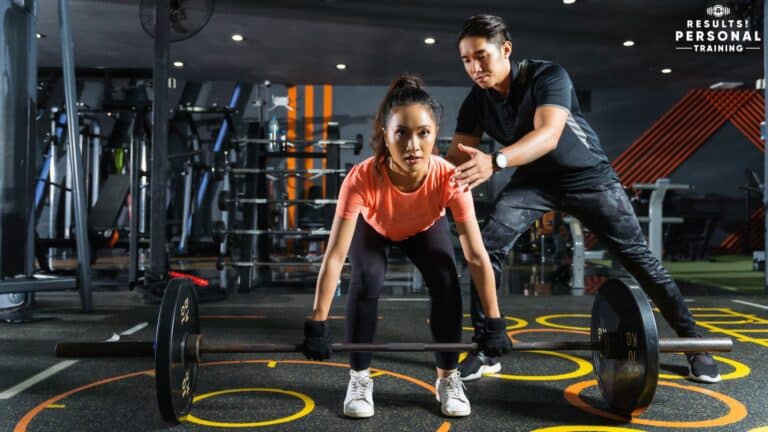
Certain exercises earn a reputation that overreaches trends, and the deadlift is one of them. It is often described as the “king of lifts”. Unlike isolation exercises that target a single muscle group, the deadlift involves multiple joints and muscles working together, making it a unique and highly effective addition to any training regimen. Besides its reputation, personal trainers often highlight the deadlift because it builds the same movement patterns you use throughout the day, such as lifting, bending, and stabilizing under load. Beyond these benefits, the deadlift offers a range of additional advantages that make it a staple for both beginners learning foundational mechanics and advanced athletes refining their performance. Let’s check those benefits in detail!
Brief Overview of Deadlift Training BenefitsThe deadlift is widely recommended by personal trainers because it strengthens the entire body, especially the posterior chain, core, and hips. It improves functional movement, posture, and athletic power while boosting overall stability. The lift is also highly adaptable, making it suitable for all fitness levels. |
Why Personal Trainers Recommend The Deadlift?
The points covered below explain the key benefits of doing deadlifts and demonstrate why this lift holds such an important place in trainer-guided workout routines.
It Builds Full-Body Strength
A major reason trainers rely on this lift is its ability to involve multiple large muscle groups at the same time. The movement recruits the legs, hips, core, back, and upper body, creating a coordinated strength response. This cross-muscle activation stimulates higher neuromuscular output, which encourages the body to develop strength in a balanced, unified way.
Strengthens The Entire Posterior Chain
Starting from the heels and moving upward, the deadlift activates every link of the backside musculature. This includes the calves, hamstrings, glutes, spinal erectors, and upper back. By loading these muscles together, the body builds resilience in an area commonly associated with fatigue and pain, improving structural support for daily tasks.
| A review published on the National Institutes of Health (NIH) database, conducted by researchers analyzing Posterior-Chain Resistance Training (PCRT), found that 12–16 weeks of posterior-chain–focused strength work, including deadlift-style movements, led to significant increases in muscular strength and measurable reductions in pain and disability when compared to general exercise programs. |
Improves Functional Movement
A practical deadlift benefit is that it mimics movements we perform instinctively during daily life, lifting objects, stabilizing while bending, and rising from the ground. Training with this pattern conditions the body to generate force safely and efficiently during real-world tasks, improving overall physical competency.
Boosts Core Stability
During the lift, the torso must remain firm against the force pulling downward. This tension increases activation across deep abdominal muscles, obliques, and the lumbar stabilizers. Over time, this reinforces the body’s internal support system, helping the spine maintain proper alignment under load.
Enhances Posture
By strengthening the musculature that holds the shoulders and spine in an upright position, the deadlift encourages postural improvement. Increased tension in the upper back and glutes helps counteract forward-leaning habits caused by prolonged sitting, gradually restoring a more aligned and confident stance.
Is Easily Scalable
This exercise can be adapted seamlessly to suit beginners, intermediate lifters, and advanced trainees. Adjustments in load, stance, bar style, and range of motion allow the personal training stimulus to match the person’s capability. This adaptability makes the lift accessible while still promoting progression.
Increases Metabolic Demand
This lift requires high energy output due to the extensive muscle recruitment and large range of motion. The body responds with elevated oxygen consumption during and after the session. Such demand encourages improved metabolic conditioning and supports greater overall work capacity.
Develops Grip Strength
As the hands maintain control of a loaded bar, the forearm flexors and connective tissues adapt quickly. The constant tension improves neural activation in the hands and wrists, leading to stronger and more reliable grip capability, which carries over to many other physical tasks.
Improves Athletic Power And Explosiveness
The pull phase of the lift trains the hips to extend forcefully, which is a key action in sprinting, jumping, and rapid directional changes. By practicing strong hip extension under load, athletes gain the ability to produce force quickly, improving overall performance in speed and power-based activities.

Which Personal Trainer Tips Are Essential For Safe And Effective Deadlift Progression?
| Tip | Explanation |
| Start With A Consistent Hip Hinge Pattern | A strong deadlift begins with learning how to shift the hips back smoothly while keeping the spine aligned, creating a reliable setup before any weight is added. |
| Brace Your Core Before Every Rep | Before you lift, tightening the core forms a stable internal support system that helps the torso resist collapsing under the load. |
| Keep The Bar Close To Your Body | Positioning the bar close to the legs keeps the weight centered and shortens the distance the force must travel, easing stress on the lower back. |
| Progress Load In Small, Planned Increments | Increasing weight in small steps lets the body adjust to higher demands gradually, keeping technique sharp and reducing unexpected strain. |
| Focus On Maintaining A Neutral Spine | A neutral back position ensures that the force spreads evenly through the entire spine, lowering the chance of rounding that can increase pressure on the discs. |
| Incorporate Rest And Recovery Days | Allowing breaks between deadlift sessions gives muscles, connective tissues, and the nervous system time to restore strength and maintain consistent progress. |
Conclusion
If you’re new to deadlifting or want to refine your technique, consider working with a certified fitness trainer in Singapore at Results! Personal Training. As Singapore’s leading house-call personal training service, we deliver fully customised programs, professional equipment brought directly to you, and one-on-one guidance that ensures every deadlift session is safe, effective, and aligned with your long-term fitness goals.
FAQ’s
How does a personal trainer help improve my deadlift form?
A personal fitness trainer improves your deadlift form by assessing mobility, identifying weaknesses, and teaching proper hinge mechanics. They provide real-time corrections, cue optimal posture, and select the right variation for your body. This guidance reduces injury risk, increases strength output, and builds consistent, efficient technique.
Can personal trainers modify the deadlift for people with mobility limitations?
Yes. Personal trainers assess mobility restrictions and adjust the deadlift using variations like trap-bar, block, or kettlebell deadlifts. They also modify stance width, range of motion, and load to ensure safe mechanics. These tailored adjustments help clients build strength without stressing limited joints or movement patterns.
How do personal trainers choose the right deadlift variation for clients?
Personal trainers choose the right deadlift variation by evaluating a client’s mobility, limb length, training experience, goals, and any existing pain or limitations. They match these factors with suitable options, such as sumo, trap-bar, Romanian, or block deadlifts, to ensure safer mechanics, better muscle engagement, and progressive strength development.