
Have you noticed that some individuals achieve their fitness goals more efficiently and with greater consistency? A key factor often lies in the structure of their training. While group fitness classes offer energy and camaraderie, they follow a generalised approach that may not address individual needs or limitations. Private personal training, by contrast, delivers a customised fitness experience based on your specific goals, physical condition, and lifestyle.
In this article, we’ll explore why private personal training is widely regarded as a more effective and results-driven alternative to group classes and how it can accelerate your progress toward long-term health and performance.
What Is The Difference Between Private Personal Training And Group Classes?
Private personal training involves one-on-one sessions between a certified fitness professional and a single client. These sessions typically last 45-60 minutes and focus entirely on the individual’s specific goals, limitations, and preferences. The gym personal trainer conducts comprehensive assessments, designs personalised workout programs, and provides continuous feedback throughout each session.
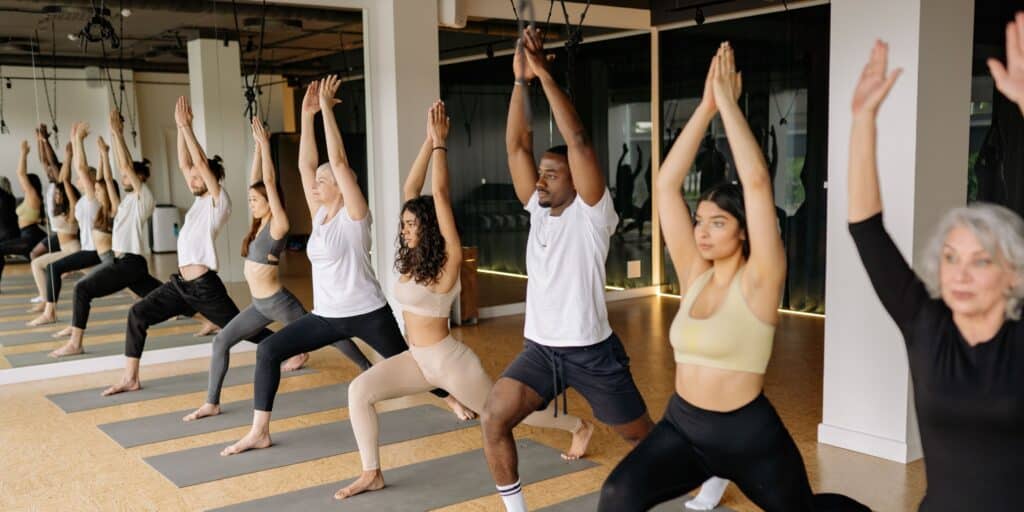
Group fitness classes, conversely, involve multiple participants following the same workout routine led by a single instructor. Class sizes typically range from 10-30 participants, with popular formats including spinning, yoga, bootcamp, and high-intensity interval training (HIIT). While instructors may offer modifications, the programming remains generalised to accommodate various fitness levels simultaneously.
The most significant distinction lies in the level of personalization. Private trainers can immediately adjust exercises, intensity, and techniques based on real-time feedback and performance indicators. Group instructors must manage multiple participants simultaneously, limiting their ability to provide individualized attention or make specific modifications for each person’s needs.
Why Is Private Personal Training More Effective?
Personalised Programming and Periodisation
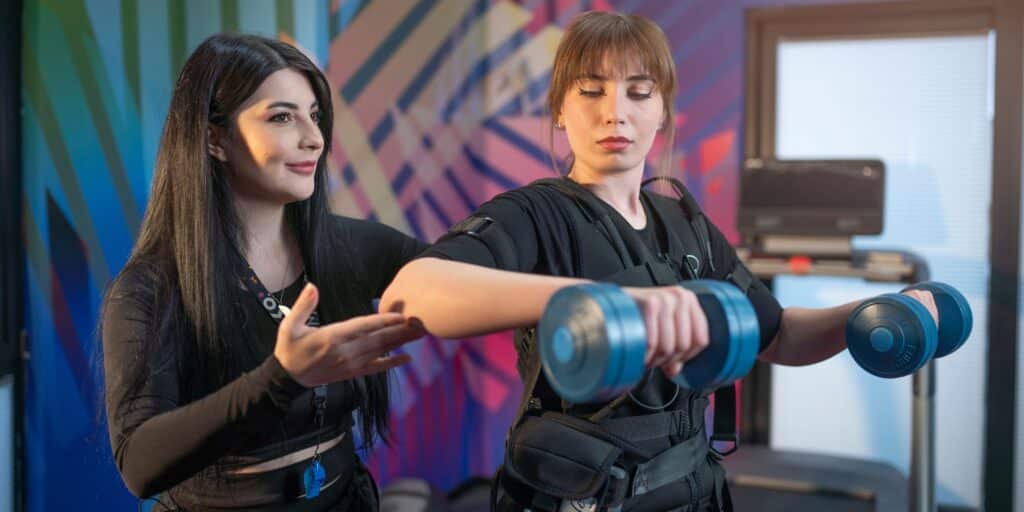
Private personal training leverages comprehensive physiological assessments such as strength testing, movement screening (e.g., FMS), cardiovascular profiling, and detailed lifestyle analysis to design truly personalised training programs. Based on this data, trainers implement periodisation models (linear, undulating, or block) that match the client’s adaptation rate and goals. This level of scientific customisation optimises performance outcomes, reduces the risk of injury, and avoids training plateaus, unlike group fitness classes, which rely on one-size-fits-all programming. Private training tailors every variable, including volume, intensity, and progression, to the individual.
In-Depth Movement Analysis and Correction
An essential aspect of private training is the focus on movement quality. Trainers evaluate joint mobility, stability, balance, and muscular imbalances. This allows them to detect dysfunctional patterns that could lead to injury or limit performance. Corrective exercises are integrated into training sessions to address these issues. By improving foundational movement, clients gain better posture, strength, and efficiency, something that is rarely achievable in a group environment where such detailed analysis is not possible.
Immediate Feedback and Technique Refinement
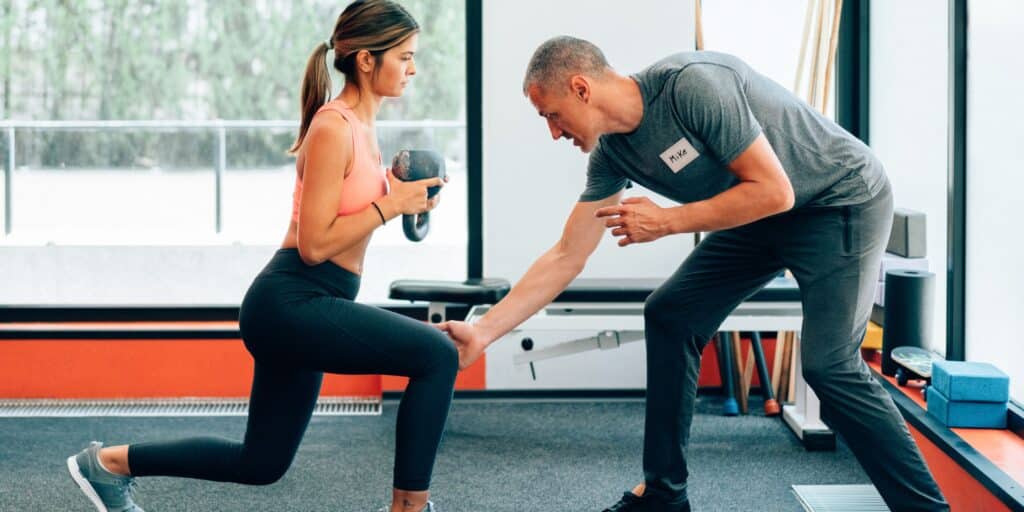
Proper exercise technique requires constant refinement and adjustment based on fatigue levels, learning progression, and biomechanical factors. Private trainers provide immediate feedback, physical cues, and hands-on corrections that optimise movement patterns and prevent compensatory strategies. Group instructors managing multiple participants cannot provide this level of detail and immediate correction.
Accountability and Consistency
Private personal training builds structure and accountability into the fitness process. Scheduled appointments, one-on-one check-ins, and goal tracking help clients stay consistent and motivated. The direct relationship with a trainer encourages discipline, long-term commitment, and personal responsibility. Group settings lack this level of accountability. Without someone monitoring progress and following up regularly, individuals are more likely to skip sessions, lose focus, or struggle with motivation over time.
Flexibility and Adaptability
Every training session in a private setting is flexible. Trainers adjust the plan in real-time based on how the client is feeling, considering energy levels, stress, sleep, or any physical discomfort. This adaptability ensures that each session is productive and safe. Group classes cannot offer this level of responsiveness. Participants must follow the preset routine regardless of their condition, which can either be too demanding or not challenging enough.
What Are the Long-Term Benefits of Private Personal Training?
Sustainable Behaviour Change
Private personal training fosters lasting behavioral change by integrating education, habit development, and strategic coaching. Unlike generalized fitness solutions, this one-on-one format empowers clients with in-depth knowledge of biomechanics, exercise execution, nutritional fundamentals, and recovery optimization. Over time, clients cultivate the autonomy and discipline needed to sustain a healthy lifestyle well beyond the training sessions.
Injury Prevention and Management
Through continuous movement analysis and biomechanical screening, private trainers proactively identify musculoskeletal imbalances and movement dysfunctions before they evolve into injuries. Programs are dynamically adjusted to correct these issues, minimise joint stress, and reinforce neuromuscular control, ensuring long-term training continuity and enhanced physical resilience.
Goal Achievement and Performance Optimisation
Private personal training significantly increases success rates by aligning programming with an individual’s physiology, training history, and specific objectives, such as fat loss, hypertrophy, strength development, athletic conditioning, or health improvement. This strategic alignment eliminates guesswork, maximises training efficiency, and ensures measurable progression toward personalised outcomes.
Metabolic Adaptation and Body Composition Changes
Unlike generic group workouts, private training utilizes periodized protocols that adjust training variables, including volume, intensity, rest intervals, and modality, to elicit targeted metabolic adaptations. Combined with individualized nutritional guidance, this approach promotes hormonal balance, enhances lean muscle mass, and facilitates sustained fat oxidation, leading to superior body composition transformations over time.
Making the Investment in Your Health
The evidence overwhelmingly supports private training’s effectiveness across multiple domains, including goal achievement, injury prevention, exercise adherence, and long-term behaviour change. Consider consulting with a certified private fitness trainer near you to discuss your specific goals and determine how individualized programming can accelerate your fitness journey.
At RESULTS! PERSONAL TRAINING, you’ll find a team of highly qualified and internationally certified personal trainers in Singapore, each dedicated to helping you achieve measurable, sustainable results. For fat loss, muscle building, improved mobility, or peak athletic performance. Our trainers create customised programs that evolve with you, maximising every session for long-term success.
Take the first step toward a healthier, stronger future. Book a consultation session now!