Finding the right mix of exercises can make a huge difference in how quickly you reach your fitness goals. If you’ve ever wondered if you should focus more on compound exercises or isolation work, you’re not alone. These two training styles are often talked about but rarely explained clearly. The truth is, both can be incredibly effective when used with purpose, and choosing between them depends on what you want in your workouts. Your goal might be building overall strength, shaping specific muscles, boosting athletic performance, or simply training more efficiently, and understanding how each style fits into your routine can help you get there faster. Let’s learn about it in detail.
Essential Insights on Compound vs Isolation ExercisesCompound exercises engage multiple muscle groups for overall strength, functional fitness, and calorie burn, including movements like squats, deadlifts, and bench presses. Isolation exercises target specific muscles for precision, symmetry, and definition, such as bicep curls or leg extensions. Understanding compound vs isolation exercises helps optimize workouts, correct imbalances, and achieve personal fitness goals with support from a personal trainer. |
What Are Compound Exercises?

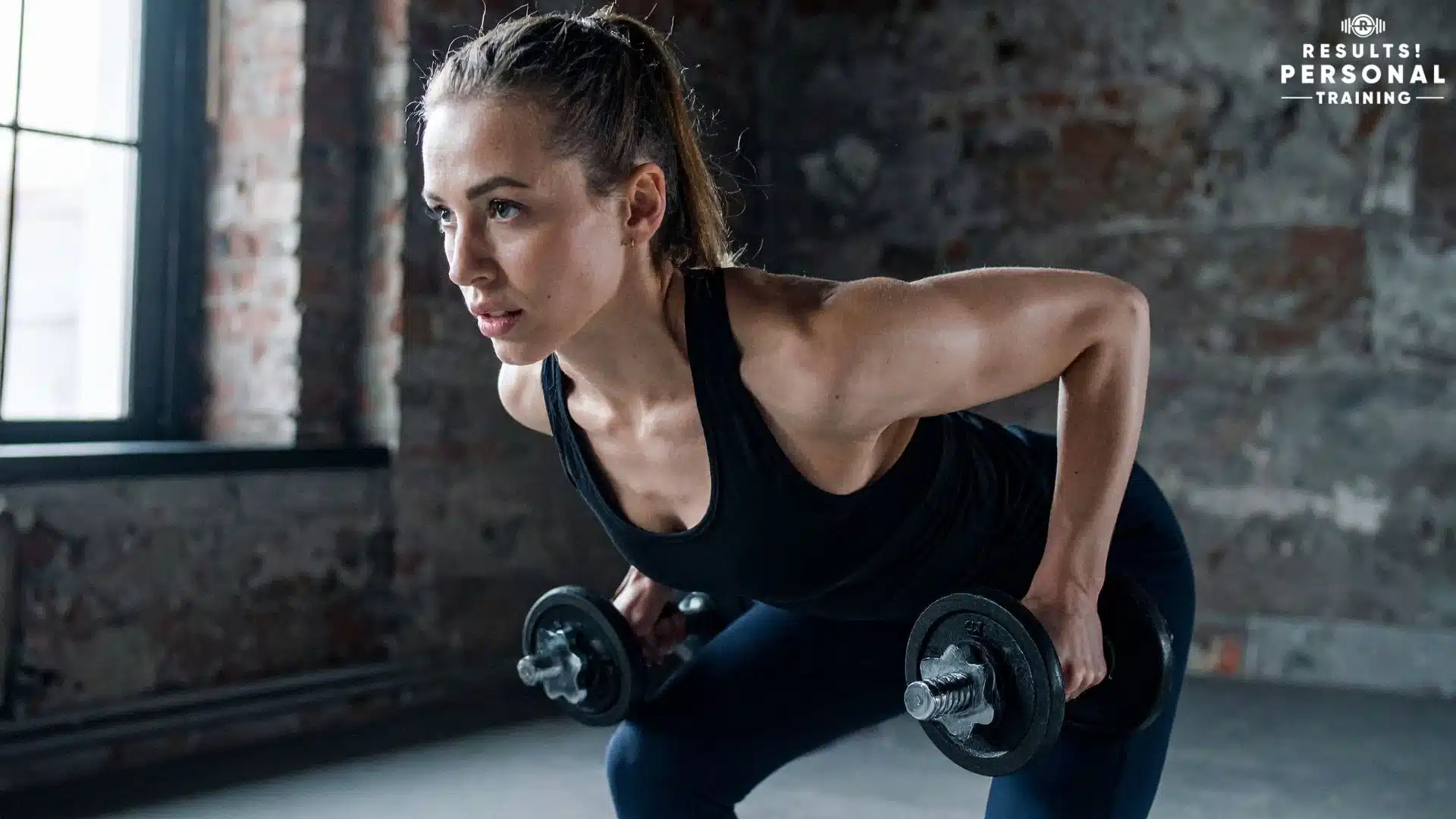
Compound exercises are strength-training movements that work two or more muscle groups and involve multiple joints at the same time. Instead of targeting a single muscle, these exercises require coordinated effort from several muscles, making them efficient for building overall strength and muscle mass. Compound movement exercises increase calorie burn and contribute to better overall fitness.
Exercise Types
Strength Training Exercises
Strength training builds muscle strength, power, and endurance while improving posture and overall stability. It boosts metabolism, supports joint health, and enhances athletic performance. Movements like squats, deadlifts, and bench presses target major muscle groups through controlled, purposeful motion. When performed with proper form, these exercises help develop strength progressively and efficiently.
Cardiovascular Exercises
Cardio training improves heart and lung function, stamina, and overall energy levels. It supports weight management, reduces stress, and improves endurance for daily activities. Running, cycling, and swimming elevate the heart rate through steady, sustained movement. Maintaining a consistent pace helps the cardiovascular system work harder without excessive fatigue.
Flexibility and Mobility Exercises
Flexibility and mobility work enhances joint range, muscle elasticity, and posture. These exercises reduce injury risk, ease muscle tightness, and improve movement efficiency. Yoga, Pilates, and dynamic stretches gently lengthen muscles and prepare the body for activity. Regular practice supports smoother, more controlled motion during workouts and daily tasks.
Balance and Stability Exercises
Balance and stability exercises strengthen the core, improve coordination, and enhance body control. They help prevent injuries by training stabilizing muscles that support the joints. Activities like single-leg stands, stability ball planks, and Bosu ball squats challenge the body to maintain alignment. Slow, controlled movements teach the muscles to stabilize during both static and dynamic actions.
Who Needs Compound Exercises
Compound exercises are versatile and beneficial for many types of individuals:
- Beginners: Develop foundational strength and learn natural movement patterns.
- Athletes: Improve performance, power, and coordination for sports-specific movements.
- Time-Conscious Individuals: Achieve full-body training efficiently by targeting multiple muscles at once with the help of a personal trainer.
- People Looking to Lose Fat: Boost calorie burn through engagement of larger muscle groups.
- Strength Trainers and Bodybuilders: Stimulate several muscles simultaneously for overall growth.
- Older Adults: Enhance balance, joint stability, and functional fitness to maintain independence.
What Are Isolation Exercises?
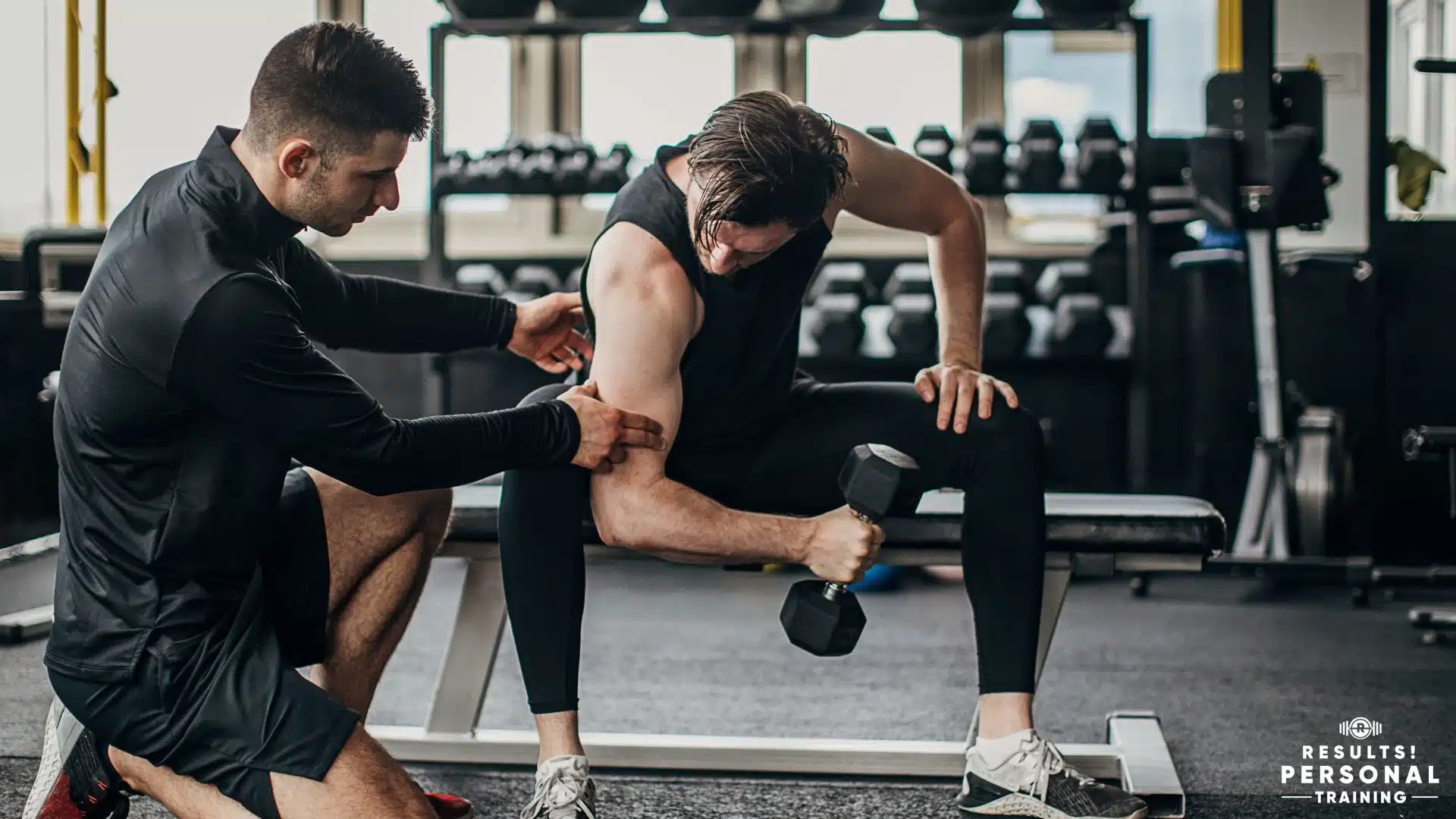
Isolation exercises are strength-training movements that target a single muscle or small muscle group, engaging primarily one joint. Unlike compound exercises, they allow for focused development and precise muscle activation. These exercises are effective for correcting muscle imbalances and strengthening weak areas.
Isolation exercises are often used to complement compound movements in a workout routine. Isolating specific muscles helps improve overall symmetry, target lagging muscles, and refine aesthetic appearance without overloading other muscle groups.
Exercise Types
Upper Body Isolation
Upper-body isolation exercises help you focus on single muscles to improve definition, symmetry, and targeted strength. These movements allow you to control tension and activate specific muscles without relying on other muscle groups. Bicep curls, tricep extensions, lateral raises, and chest flys are commonly used, curling the weight upward for biceps, extending it overhead or behind for triceps, lifting arms outward for shoulder work, or sweeping arms open and closed to engage the chest. Performed with slow, controlled motion, these exercises fine-tune muscle shape while preventing surrounding muscles from taking over.
Lower Body Isolation
Lower-body isolation exercises are designed to strengthen specific muscles in the legs and glutes while enhancing stability and symmetry. They help address weak areas, improve muscle balance, and refine lower-body aesthetics. Leg curls, leg extensions, calf raises, and hip abductions/adductions are typical choices, curling the legs toward the glutes for hamstring work, extending the knee for quadriceps activation, rising onto the toes to target calves, or moving the leg outward and inward to strengthen glutes and thighs. These movements ensure each muscle in the lower body receives direct, focused engagement.
Core Isolation
Core isolation exercises target the abdominal muscles and obliques to improve core strength, stability, and torso control. They help create better posture, enhance movement efficiency, and support overall athletic performance. Crunches, Russian twists, and leg raises are essential options, crunching by lifting the upper body toward the knees, twisting the torso side to side for oblique activation, or raising the legs straight up to engage the lower abs and hip flexors. When performed with consistent tension and good form, these exercises build a stronger, more defined midsection.
Who Needs Isolation Exercises

Isolation exercises are ideal for individuals who want to strengthen specific muscles or improve targeted areas of their physique. They offer controlled movement and focused activation, making them valuable for a range of goals. Bodybuilders use them to sculpt and refine individual muscles for balanced aesthetics; athletes rely on isolation work to strengthen lagging or weak muscles that affect performance. Those recovering from injuries benefit from isolation training to rebuild strength safely in a controlled manner. Fitness enthusiasts often include them to improve muscle definition after building foundational strength, while anyone correcting muscular imbalances can use isolation exercises to improve posture, alignment, and overall muscle symmetry.
By comparing compound vs isolation exercises, you can choose the right approach to meet your strength, endurance, and aesthetic goals.
Conclusion
With this knowledge, you can now choose the type of exercises that best match your fitness goals. You can build overall strength with compound exercises or focus on specific muscles with isolation exercises to make your workouts more effective and rewarding. If you’re looking for expert guidance, Results! Personal Training is here to help. We provide professional coaching at your home, so you can enjoy the benefits of a personal training gym experience without leaving your neighborhood.
Call us at +65 8503 7888 today and take the first step toward a stronger, healthier you. Start your personalized training journey with us now!
FAQs
What are compound movement exercises, and why do people use them?
Compound movement exercises work multiple muscles and joints at once, building overall strength and burning more calories efficiently.
What are isolation exercises, and when should you include them?
Isolation exercises target a single muscle for precision, definition, and correcting imbalances in your training.
Should I choose compound vs isolation exercises or use both in my routine?
Compound vs isolation exercises can be combined: compound exercises for overall strength, isolation exercises for focused muscle development.
Are compound exercises better than isolation exercises for beginners?
Beginners benefit from compound movement exercises for foundational strength, while isolation exercises refine specific muscles later.