Female Body Types refers to the natural differences in how women’s bodies are shaped, where fat is stored, and how muscle and bone structure appear. There is no “perfect” or “ideal” body type; each one is normal and healthy in its own way.
Understanding female body types can help you choose better clothing fits, plan workouts that suit your structure, and set realistic expectations for your body. It also helps you appreciate why two people can follow the same routine and still look different.
In this guide, you will see the most common female body types explained clearly, so you can identify your own shape and understand what makes each type unique, without labels, judgment, or unrealistic beauty standards.
Female Body Types OverviewFemale body shapes differ mainly because of natural variations in bone structure, muscle response, and where fat is stored in the body. The guide explains four commonly seen female body structures—curvier builds, athletic frames, tall-slender proportions, and naturally narrow silhouettes—while showing how each type typically responds to training, dieting patterns, and styling choices. It highlights the role of genetics in shaping appearance, muscle definition, and body composition, helping readers better understand why similar routines can lead to very different physical results. |
What Are Female Body Types?
TYPE 1: The curvy and voluptuous lady

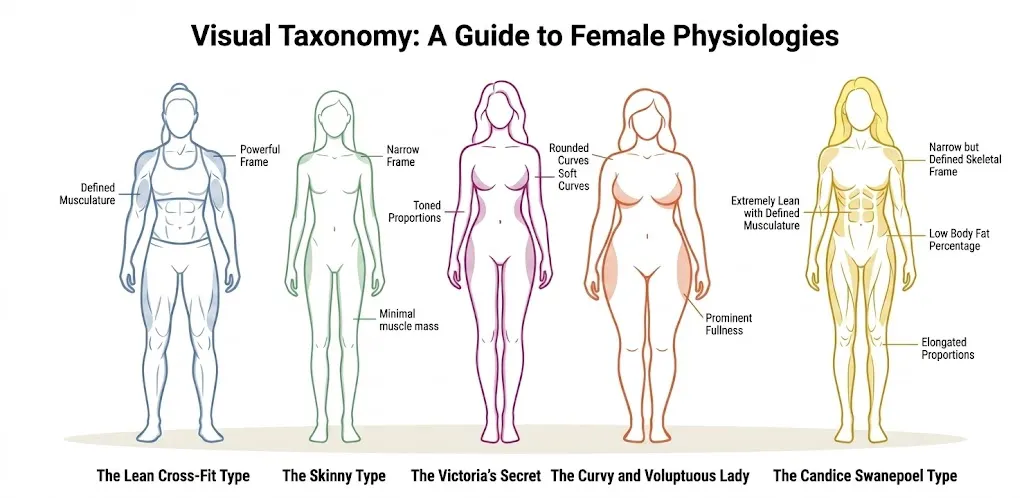
This body type is characterised by noticeable curves, often with a well-defined waist and proportionally fuller bust and hips, giving a rounded, feminine silhouette. Women with this shape are sometimes described as “hourglass” or “pear-shaped,” depending on the distribution of curves. Research shows that hourglass figures are relatively uncommon, appearing in less than 10% of women, yet they remain culturally prominent. Curvy women often benefit from clothing that emphasises the waist while balancing the upper and lower body.
This type of body usually…
- Trains a lot and so is able to achieve a decent amount of muscle mass for a toned body.
- However, continues to maintain moderate levels of body fat, which explains the curves.
- Also, they are blessed with the genetics to help them keep their ass and boobs, despite losing weight.
Type 2: The lean cross-fit types

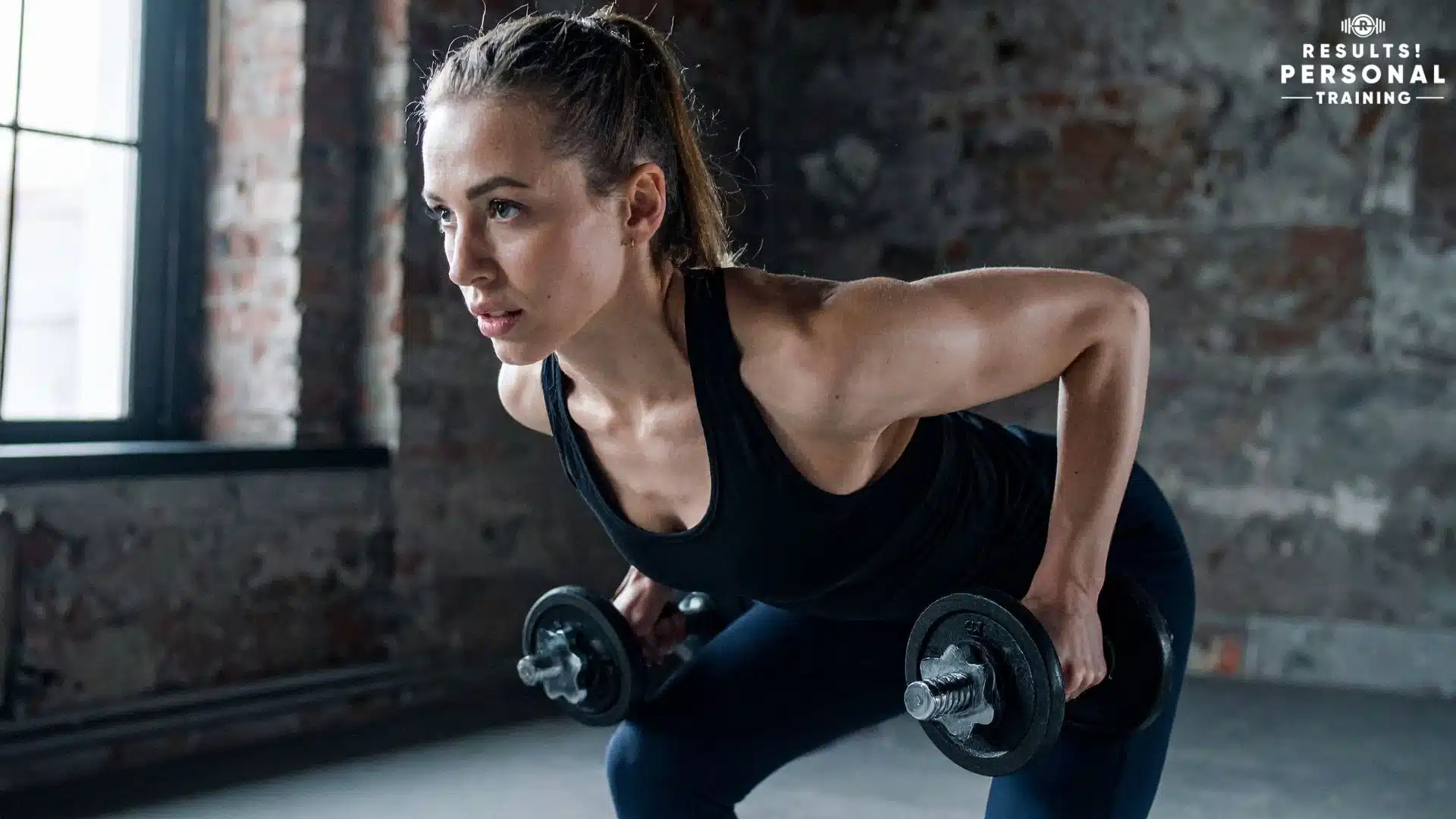
Women with a lean CrossFit-style body often have a naturally athletic frame, marked by defined muscles, lower body fat levels, and a straighter waistline. The upper body may appear stronger or broader than the hips. This body type commonly responds well to strength-based and high-intensity training, including resistance workouts and functional movement exercises. It’s important to note that this physique isn’t solely the result of training intensity; genetics strongly influence muscle tone, fat distribution, and leanness. When it comes to styling, many women with this build choose to either emphasise their toned arms and legs or add softness through structured or flowing clothing.
This type of body usually…
- Does lots of weight training to gain significant amounts of muscle mass. They’re really into bulking up to build muscles, then “cutting” to shed fat.
- Diet. They are usually really careful about what they eat, to ensure that they consume minimum fat and calories.
- Adopts other smart weight loss strategies to lose large amounts of body fat.
Type 3: The Victoria’s Secret model
Victoria’s Secret model body type is typically very tall and slender, often with long limbs, a narrow waist, and subtle muscle tone. Research tracking Victoria’s Secret fashion show models from 1995 to 2018 found that over time these models became increasingly slender, with decreasing measurements in bust, waist, and hips, while maintaining a consistent waist-to-hip ratio, reflecting a cultural aesthetic that differs from average female body proportions.
This body type has historically influenced beauty standards in fashion, though it represents a specific industry preference rather than the diversity of real bodies. Styling for this figure often focuses on accentuating height and clean lines with fitted cuts, vertical details, and balanced proportions that enhance natural length and symmetry.
This type of body usually…
- Does a mixture of weight training for a toned body and cardio to maintain body fat levels.
Type 4: The Skinny
Skinny body type is characterised by a naturally slight build, with a narrow frame and little visual contrast between the bust, waist, and hips. Weight changes are often subtle, and the body tends to maintain a slim outline over time. Some women with this structure may experience lower muscle volume, while others remain physically strong despite their size. Energy levels, endurance, and overall wellness vary widely within this group.
This type of body usually…
- Do lots of cardio
- Avoids weight training for fear of building muscles (“bulking up”)
- It is not uncommon to starve. Or eat tissue to fill up their stomachs. Basically, they are often anorexic.
- Bulimia and anorexia usually come as a pair. People who suffer from anorexia are often bulimic as well, no prizes for guessing why.
Type 5: Candice Swanepoel Body Type
The Candice Swanepoel body type is a lean, elongated physique with soft muscle tone, subtle curves, and low-to-moderate body fat (~18–22%). It typically falls within a lower-normal BMI range (~18.5–21), with Candice Swanepoel’s weight varying by height (e.g., ~50–60 kg for taller women). It features a waist-to-hip ratio (~0.65–0.72), balanced fat distribution, and an ectomorph–mesomorph profile, prioritising tone over bulk. It features a defined but not extreme waist, balanced proportions, and a naturally slender frame, blending a model-like silhouette with light athleticism rather than visible bulk or sharp muscularity.
Candice Swanepoel body type is usually attained by:
- Consistent, moderate strength training to tone, not bulk
- Keep a clean, balanced diet with adequate protein
- Add light-to-moderate cardio for fat control
Conclusion
Do these body types remind you of yourself or of your aspirations? Whatever type of body you would like to achieve, remember, you can be a slimmer, fitter version of yourself, just don’t be The Skinny! The best body type supports your health, energy, and happiness, because confidence and vitality never go out of style.
Frequently Asked Questions
Can My Body Type Change Over Time?
Yes. Your body type can change slightly due to age, pregnancy, lifestyle, exercise habits, and hormonal changes. However, your basic bone structure (such as shoulder and hip width) usually stays the same.
Should I Choose My Workout Based On My Body Type?
Your body type can guide workout preferences, but it should not limit you. Strength training, cardio, and flexibility exercises benefit all body types. The best routine is one you can follow regularly and safely.
Are Body Types Linked To Genetics?
Yes. Genetics play a big role in where you store fat, how easily you build muscle, and your natural body proportions. Lifestyle still matters, but genetics set your starting point.
Should I Follow Diet Plans Designed For My Body Type?
Not strictly. While body type can offer general guidance, personal factors like activity level, health conditions, and food preferences are more important when choosing a diet.