A lot of people these days are opting for personal training because it provides structured assessments, guided exercise, program planning, monitoring of progress, and a lot more. And that too, customised as per individual needs. However, with multiple training formats, programs, and varying levels of support available, people also get confused about which option truly fits their goals, lifestyle, or physical condition. Thereby, to help you make the right decision, we have curated a detailed guide on how personal training works, the programs available, and for whom each option is designed. So, let’s begin.
Key Takeaways
|
What Services are Included in Personal Training
Consultation and lifestyle audit
The initial stage of the process begins with assessing medical history, any injury background, daily activity levels, work demands, sleep patterns, and stress exposure.
Personalised training plan design
Then, based on the assessment’s findings, your trainer will build a structured program outlining exercises, weekly frequency, progression methods, and recovery considerations. These plans are designed in a way to make it easy for clients to follow the program within Singapore’s urban lifestyle.
Nutrition guidance component
Personal training also comes with basic nutrition tips. These focus on your daily habits, controlling portion sizes, and when to eat your meals. The advice is given considering how often you eat out,
and your cultural food preferences (common in Singapore). It is helpful guidance but not a replacement for professional medical or dietitian advice.
Ongoing coaching oversight
Not only do they take care of sessions, but trainers also monitor execution quality, workload tolerance, and progress markers. After that, adjustments are made as fitness improves or circumstances change. This oversight helps prevent plateaus, manage fatigue, and maintain accountability over longer training engagements.
Training Formats and Where Sessions Happen
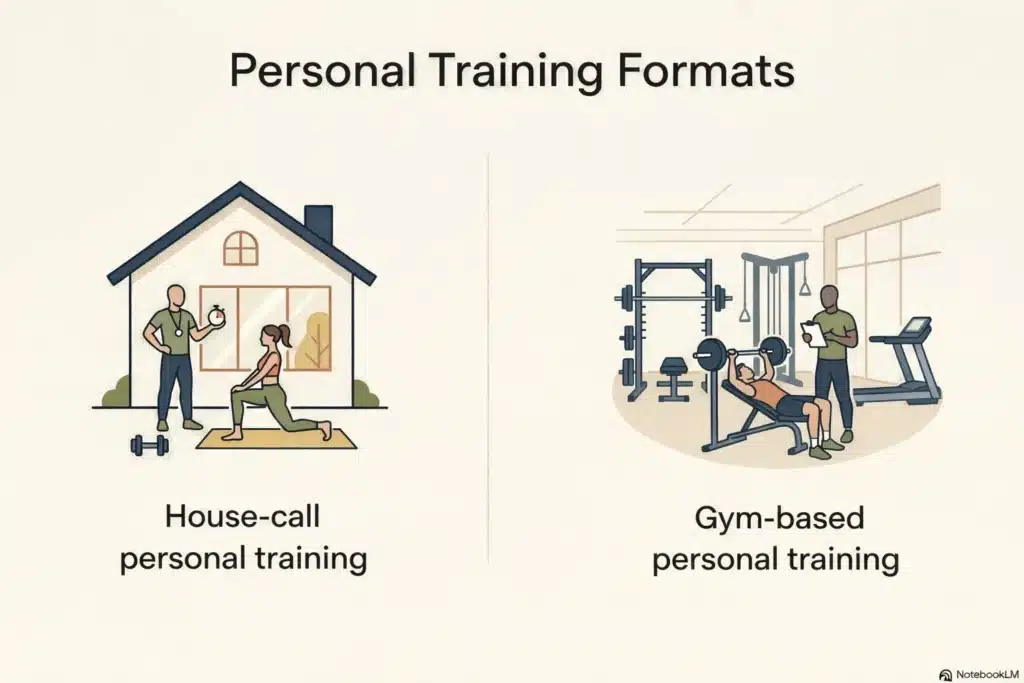
House-call personal training
House‑call training means bringing sessions directly to the client’s home or condominium gym. This format suits people who want convenience, privacy, and time efficiency. Trainers adapt exercises to the space and equipment available, such as using bodyweight or a single dumbbell set, while targeting full-body strength, fat loss, and mobility, making sure measurable progress without a full gym setup.
Gym-based personal training
Gym‑based training occurs in commercial gyms or private studios across Singapore. This format allows access to a wider range of equipment, such as bench press, cable machines, kettlebells, etc., making it ideal for strength development, rehabilitation support, and structured progression. It benefits such clients who prefer a dedicated training environment with professional guidance.
Specialised Programs for Toning and Weight Loss
Women’s weight loss and toning
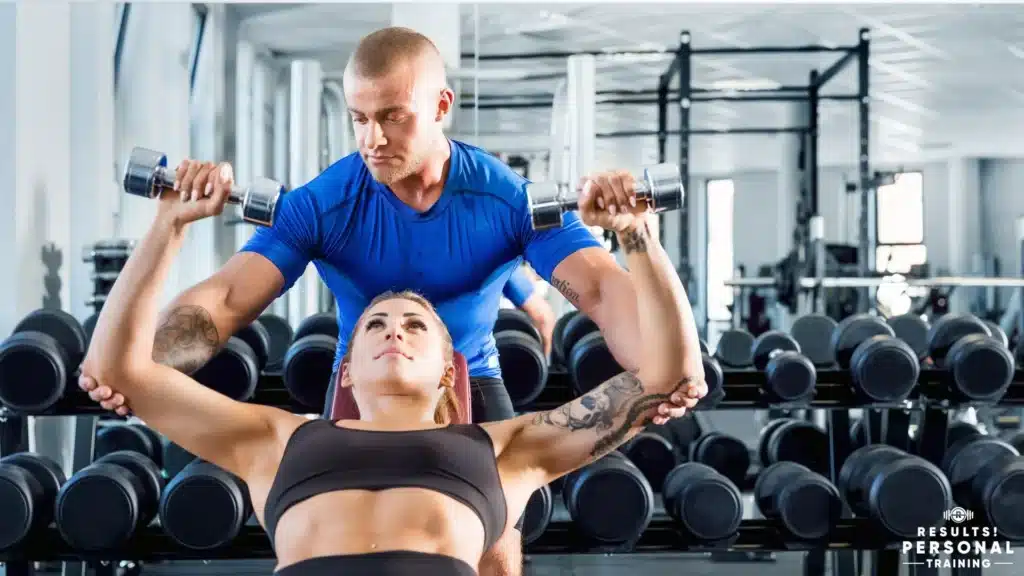
Women benefit from a weight-loss and toning program that supports their hormonal changes, busy work schedules, and lifestyle pressures. The program targets stubborn belly, thigh, and arm fat while building lean muscle in the glutes and shoulders through effective exercises such as plank variations and dumbbell squats.
Alongside a weight loss and toning program, if you want to understand practical weight-loss tips, you can check our guide on healthy weight-loss tips designed specifically for women.
Program focus and training emphasis
The program emphasises full‑body strength training, metabolic conditioning, and posture improvement. Sessions are structured to improve muscle tone without feeling excessive fatigue, supporting long‑term adherence rather than short‑term extremes.
What progress typically looks like
The progress shows improvements in your body composition, better strength, and increased daily energy. Even the changes in measurements and how clothes fit often happen before the number on the weighing scale changes, with steady improvements developing over several months.
Case Study: Irene Poh – Sustainable Weight Loss JourneyIrene Poh had struggled with being overweight most of her life and reached the obese range at a height of 167 cm after gaining 12 kg over four years, a period she describes as emotionally exhausting. So, when looking for change, she joined Results! Personal Training and began working closely with her trainer, Alex, who prioritised her well-being and supported her throughout the process. Through consistent gym-based training, Irene lost the entire 12 kg in just six months, reducing her weight from 72 kg to 58 kg, and continues to aim for further fat loss. Her transformation highlights the impact of supportive coaching, structured training, and sustained commitment. |
Men’s weight loss and toning
Men, on the other hand, often require a focused weight-loss and toning program to reduce excess body fat while maintaining strength and performance. It is built around the four pillars of successful weight loss for men balanced nutrition, weight training, cardiovascular work, and sustainable lifestyle modifications.
Program focus and training emphasis
The program prioritises compound strength exercises, like squats and deadlifts, structured conditioning, and workload progression. These sessions are designed to improve performance and physique together, rather than focusing solely on weight loss.
What progress typically looks like
Clients typically experience a firmer chest, broader shoulders, and more defined arms and back before large changes appear on the scale. The waistline also shrinks as core strength improves, stamina increases for everyday activities, and lifting heavier weights becomes achievable week by week.
Tailored Program For Muscle Building
Who this program is for
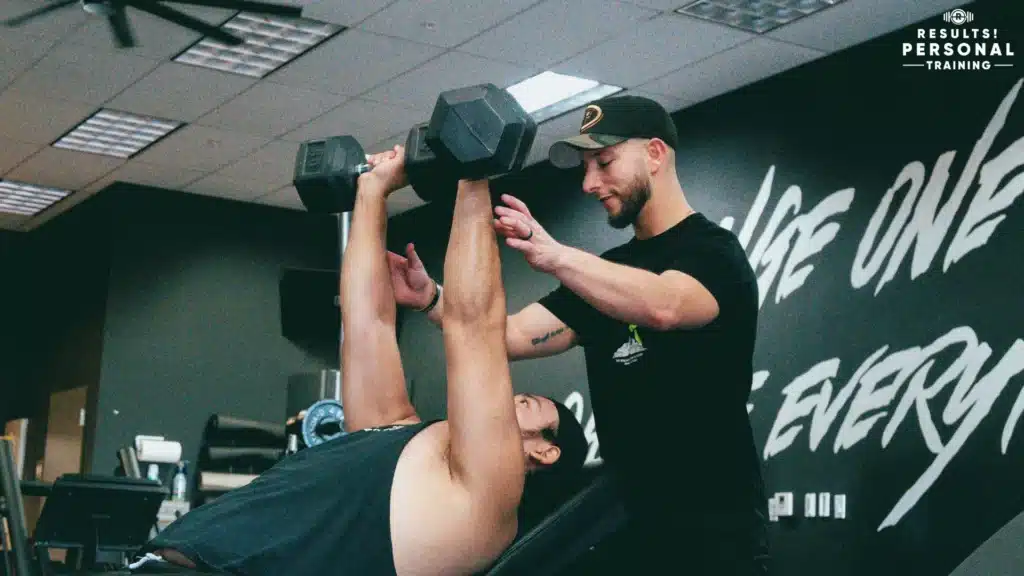
If you aim to increase your muscle size and strength through structured resistance training and progressive overload, then bulking muscle-building programs for both men and women are the right fit.
What the program prioritises
It focuses on a powerful muscle-building routine that emphasises load progression, proper exercise technique, recovery management, and adequate training volume to effectively stimulate your muscle growth.
What makes it different from weight loss training
| Aspect | Muscle Building | Weight Loss |
| Primary objective | Increase muscle size and density. | Fat reduction and improving metabolic health. |
| Caloric approach | Maintenance or controlled calorie surplus | Calorie control or deficit |
| Training emphasis | Progressive overload and resistance intensity. | Mixed strength and conditioning. |
| Rest and recovery | Longer rest periods to support muscle repair. | Shorter rest to maintain an elevated heart rate. |
| Progress indicators | Strength gains, muscle measurements, and visual fullness. | Fat loss, waist reduction, and endurance improvement. |
Personalised Training For Pregnancy and Postpartum
The Pre/Post natal personal training includes:
Pre-natal training
Goal and training intent during pregnancy
The goal during the prenatal phase is to maintain strength, mobility, and cardiovascular health while supporting maternal comfort and safety throughout pregnancy.
| Did you know?
Exercise during pregnancy can reduce back pain, improve sleep, and boost mood, all while helping your baby’s healthy growth. |
Modifications across stages
As your pregnancy progresses, your trainer will gently adjust your workouts. This means changing how intense an exercise is, your body position, or how much balance is needed, so everything stays safe, comfortable, and suited to your changing body.
Post-natal training
Goal and training intent after delivery
After delivery, personal training is designed to restore your body’s core stability, rebuild strength, and support a gradual return to physical activity. Each session will target posture alignment, pelvic floor recovery, and controlled movement patterns, ensuring your body is ready before progressing to higher-intensity strength or functional training. The intent is not only fitness, but functional recovery, helping you regain confidence, mobility, and resilience after childbirth.
Weight Loss Bootcamp For Pre-Wedding Singapore Trends
A pre-wedding weight loss bootcamp is a short-term, goal-oriented fitness programme designed around your specific wedding date, combining structured physical training with accountability to support visible body changes within a defined preparation window.
What this bootcamp prioritises
In this bootcamp, priority is given to targeted fat loss, muscle toning, and posture enhancement, with workouts designed to shape key areas like arms, back, core, and legs for a flattering silhouette in your wedding photos. It is also paired with meal guidance, sleep optimization, and lifestyle check-ins to ensure your efforts bring out visible results.
What makes it different from standard weight loss programs
| Feature | Pre-Wedding Bootcamp | Standard Weight Loss |
| Timeline | Fixed and event-driven | Open-ended |
| Intensity | Moderately high | Variable |
| Monitoring | Frequent check-ins | Periodic reviews |
| Motivation Driver | Event deadline | Health or lifestyle goals |
Performance and Recovery Programs
Rehabilitative training
The rehabilitative training means providing recovery after an injury or physical setbacks through controlled exercise and movement re‑education.
Common situations it is used for
It is used for post‑injury recovery, chronic pain management, or return to activity after extended inactivity.
- Let’s say a client recovering from a knee ligament strain may have regained basic mobility but is still unable to do squats, climb stairs, or exercise safely. This is where rehabilitative training bridges this gap by rebuilding strength, stability, and movement control under supervision.
Scope boundaries (what it can and cannot address)
Your strength and movement are improved, but it does not replace medical diagnosis or clinical treatment. Instead, it works alongside healthcare guidance, focusing on safe movement progression and functional rehabilitation once medical clearance is granted.
Sports performance training
Sports performance training enhances physical qualities needed for specific sports like football or tennis, or recreational activities like running or cycling. It focuses on improving how the body moves, absorbs force, and produces effort during sport-specific actions rather than a general fitness routine.
Performance goals covered
This program targets speed, power, agility, endurance, and sport‑specific strength based on the activity demands.
Who does it suit
It is best recommended for active individuals, amateur athletes, or recreational players looking for any performance improvement.
- If you are a recreational footballer training twice a week, you may use sports performance sessions to improve sprint speed, agility, and lower-body power, which helps to perform better during matches while reducing injury risk.
Children’s training
Children’s training introduces structured physical activity with emphasis on safety and enjoyment. It uses age-appropriate exercises like bodyweight squats, balance drills, and simple movement patterns.
to help children develop body awareness, with physical activity from an early stage.
Program focus
It focuses on developing coordination, basic strength, movement skills, and positive exercise habits, which are essential during the growing years to support healthy physical development.
Realistic outcomes and expectations
One can expect outcomes like improved confidence, better movement quality, and general fitness, and keep in mind that not any adult‑level strength or physique changes. And the progress is gradual and focused on safety, consistency, and long-term functional improvement rather than rapid transformation.
Safety, Suitability, and Starting Requirements
Who should get clearance before starting?
Medical clearance is recommended for individuals, such as:
- If you have cardiovascular conditions
- If you are pregnant
- If recovering from any recent surgery
- If managing chronic pain, or
- If taking any long-term medication
This clearance helps your personal trainer select the right kind of exercise and training intensity for you. It also ensures that the progression is safe and aligned with existing medical considerations.
What information should be shared before the first session?
Before training begins, clients should share relevant medical history, past or current injuries, prescribed medications, previous fitness experience, and lifestyle constraints such as work hours or travel.
For example, a client with a past lower-back injury allows the trainer to avoid movements that may aggravate the condition early on.
How training is adjusted for higher-risk situations?
For higher-risk clients, training typically starts at a reduced intensity and progresses gradually. Exercises are modified to limit joint stress, sessions are monitored more closely, and communication with healthcare providers may be required. This approach prioritises safety while still allowing steady improvement over time.
Conclusion
Therefore, as these fitness services continue to grow, understanding the right approaches prepares you for more specialised and advanced training options ahead. So, if you are looking for one such personal trainer for your fitness needs, Results! Personal Training is the place for you to reach. We provide you with personalised, results-driven training, at home or in the gym, so that your fitness goals are achieved easily.
Start today with Results! Personal Training and see the results for yourself!
Frequently Asked Questions
Which program should I choose for fat loss vs muscle gain?
You can choose fat-loss programs if reducing body fat and improving fitness are your goals. On the other hand, muscle gain programs suit those who prioritise strength, muscle development, and structured resistance progression.
Can personal training be done at home, and what equipment do I need?
Yes, home-based personal training is common in Singapore. Personal trainers adapt sessions using minimal equipment such as dumbbells, resistance bands, or bodyweight, depending on the available space.
What happens during the first consultation and assessment with a personal trainer?
During the first consultation, your medical history, lifestyle habits, fitness goals, and mobility are assessed to help the trainer design a safe, realistic, and personalised training plan for you.
Is nutrition guidance included, and how is it provided?
Yes, most personal training programs include basic nutrition guidance focused on habits, portion control, and meal timing, typically delivered through discussions, check-ins, and practical recommendations.
How does 2-person personal training work, and is it cost-effective?
One personal trainer trains two clients together. Sessions are structured to suit both individuals, offering professional guidance at a lower per-person cost than one-to-one training.
What makes the pre-wedding bootcamp different from normal weight loss training?
The pre-wedding bootcamps follow a fixed, event-driven timeline with higher accountability and frequent monitoring, unlike standard weight loss programs that progress at a flexible pace.
How is training adjusted during pregnancy across different stages?
Personal trainers take care of intensity, exercise selection, and positioning, adjusting them across pregnancy stages to support comfort, safety, and changing physical demands while maintaining overall strength and mobility.
Can training help with ongoing pain or recovery, and what are the limits?
Yes, rehabilitative training can improve strength and movement control, but it does not replace medical treatment or diagnosis and works with guidance from healthcare professionals.
What does sports performance training focus on, and who is it for?
Sports performance training prepares your body for sport-specific demands and suits active individuals, amateur athletes, or recreational players who want improved performance and physical readiness.
What is covered in children’s training, and what results should parents expect?
Children’s training covers safe movement skills, coordination, and basic strength. Parents can expect improved confidence, movement quality, and fitness, but not adult-level strength outcomes.